
Creating a Safe Learning Environment

You know what can make or break everything we’ve talked about so far? Whether your students feel safe enough to actually learn in your classroom.
I’m not talking about physical safety here (though that’s obviously important too). I’m talking about psychological, mental and emotional safety—creating an environment where students feel comfortable taking risks, making mistakes, and asking questions without worrying they’re going to get their heads bitten off.
The Teacher’s Balancing Act
Here’s something I learned the hard way: there’s this incredibly fine line you have to walk as a teacher. You can’t be an autocratic dictator, but you also can’t be everyone’s best buddy.
Let me break this down for you.
Respect Is Paramount
Here’s the foundation of everything: you’ve got to genuinely respect every person in your classroom. I don’t care if they’re barely out of diapers or old enough to be your grandparent—they deserve your respect as human beings.
When students feel respected, they relax. When they relax, they learn. When they don’t feel respected? Forget about it. They’ll spend all their energy protecting themselves instead of focusing on what you’re trying to teach them.
You’re Not Their Friend
But here’s where it gets tricky: respecting your students doesn’t mean becoming their buddy. There’s a professional relationship that needs to stay intact.
I’ve watched this happen to so many teachers (myself included): you want to connect with your students, so you start being more casual, more friendly. Next thing you know, they’re treating your class like hanging out at the mall.
I call this being the “mixed message teacher,” and it’s a disaster. One minute you’re cracking jokes and being super chill, the next minute you’re trying to rein in a class that’s completely out of control. Talk about confusing for everyone involved!
Finding That Sweet Spot
So how do you find that perfect balance between being approachable and maintaining authority?
First, you earn respect through knowledge and fairness, not through intimidation or screaming. Students can tell the difference between a teacher who knows their stuff and cares about their progress versus someone who’s just trying to assert dominance.
Second, you maintain consistent boundaries. Your warmth and encouragement should never compromise your role as the guide in the learning process.
Third, you remember that you can be kind, supportive, and even have a sense of humor while still preserving the special respect that makes deep learning possible.
Creating Active Participants, Not Passive Copiers
When students feel truly safe in your classroom, something magical happens: they stop being passive copiers and become active participants in their own learning.
In a safe environment, students start asking better questions. They’re willing to experiment with movement. They take ownership of their progress instead of just waiting for you to fix everything for them.
This is what we’re really after—students who are empowered to be partners in their learning process. But this can only happen when they trust that you’re not going to tear them down for trying.
What Safe Actually Looks Like
In a truly safe learning environment:
• Students ask questions without fear of being made to feel stupid
• They’re willing to try new things even if they might mess up
• They trust that you’ll give them honest, helpful feedback
• They know you care about their progress as individuals
• They understand the boundaries and expectations clearly
• They become invested in their own improvement
The Fear Factor
Traditional ballet has this long history of teaching through fear and intimidation. Teachers being passive-aggressive, ruling like dictators, students having to “prove” they’re worthy of being in class.
In 2025? That’s just abuse. I considered it abuse when I was dancing too, but back then you never showed your disdain for your teacher. You took it like a champ no matter how much you were hurting and came back for more punishment the next day.
It was sadistic (masochistic?), and it needs to stop.
When Students Aren’t Feeling Safe
Here are some signs your classroom environment might not be as safe as you think:
• Students are afraid to ask questions
• They’re so focused on not making mistakes that they can’t take creative risks
• You see the same students struggling with the same things week after week
• There’s tension in the room that you can practically cut with a knife
• Students seem more worried about your reaction than about learning
The Real Goal
When you commit to creating a safe learning environment, you’re building technical foundations that will either support or sabotage everything your students do for the rest of their dance lives. You’re also protecting their bodies—when students understand that mistakes are part of learning, they’re much less likely to develop destructive patterns that lead to injury.
But here’s the best part: when students really feel safe—not just physically but emotionally—they become active participants in their own learning instead of passive copiers. They become empowered, super big win!
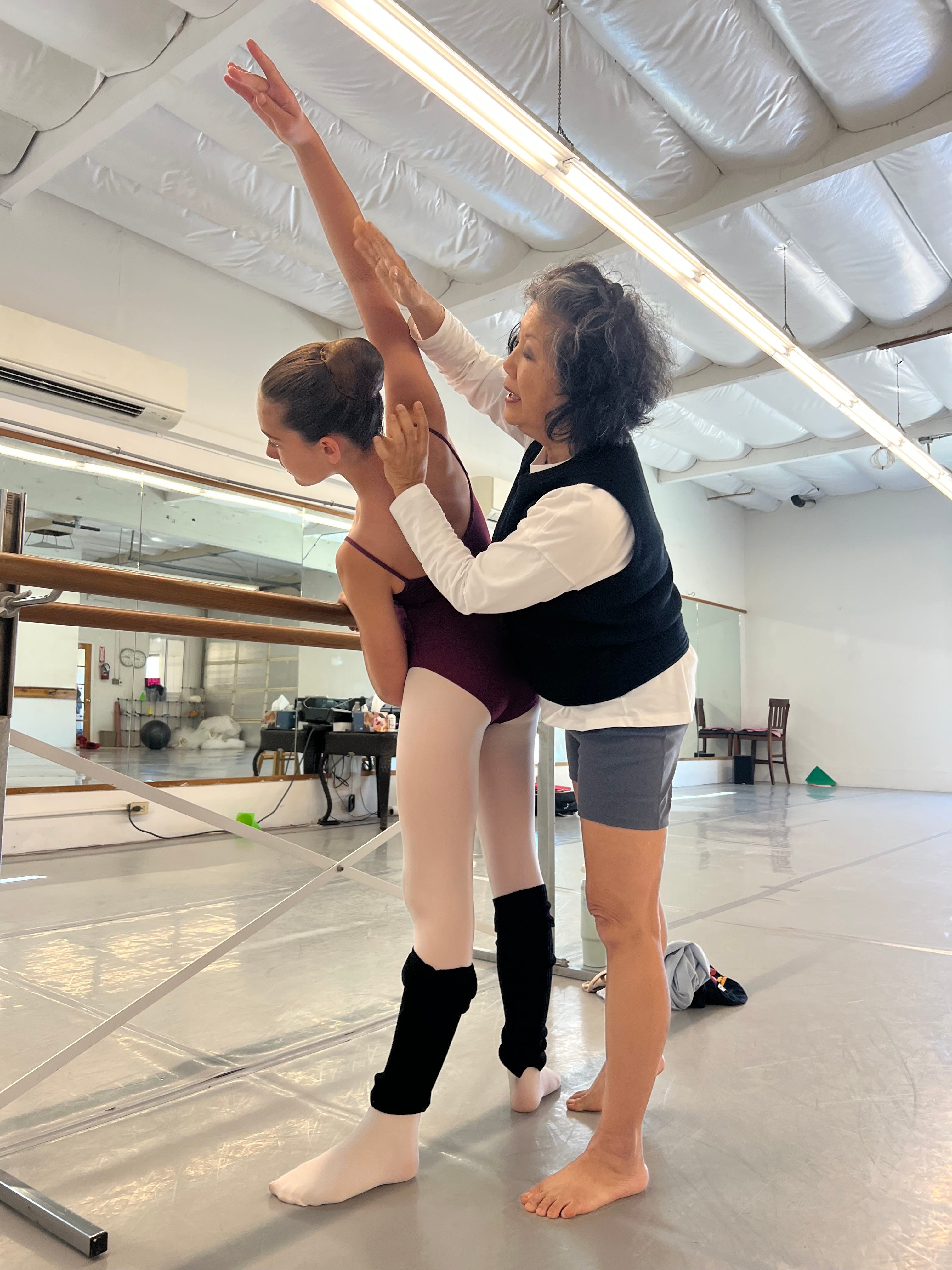
Creating Safety in Practice
Want to know how to create real safety? Start here:
Be predictable. Students need to know what to expect from you. Consistency builds trust.
Acknowledge effort, not just results. When students know you see them trying, they’re more willing to keep pushing.
Make mistakes normal. When you normalize the learning process—including the messy parts—students relax into actually learning.
Give feedback that helps. Criticism that doesn’t come with direction is just discouragement in disguise.
The Bottom Line
Creating a safe learning environment isn’t about being soft or lowering your standards. It’s about creating the conditions where real learning can happen.
When students feel psychologically, mentally and emotionally safe, they take bigger risks, ask better questions, and push themselves harder than they ever would in an environment based on fear.
Next week, we’ll talk about my journey from traditional “monkey see, monkey do” teaching to a more thoughtful approach that actually explains the how and why behind movements.
What’s your experience with feeling safe (or unsafe) in learning environments? How did it affect your willingness to take risks and try new things?
Yep!I grew up with The Fear Factor‼️
I wish my ballet teacher had practiced some of things you mentioned when I was a young girl.